
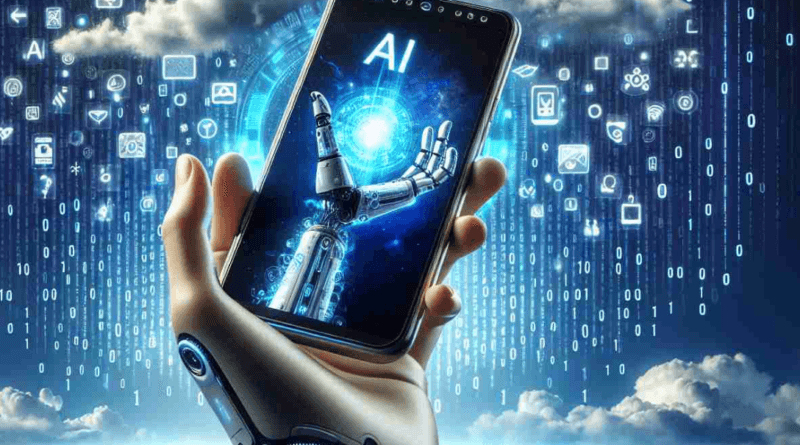
How AI Will Change Our Smartphones
Mobile operating systems are entering a transformative era where automated digital assistants handle complex tasks behind the scenes without demanding constant hands-on interaction, offering a clear preview of how AI will change our smartphones. Major technology providers are gradually shifting away from manual app navigation, pivoting toward autonomous artificial intelligence agents that process user requests through continuous context awareness.
Software developers are currently designing next-generation mobile platforms around long-term predictive models, preparing systems that execute multifaceted workflows rather than requiring step-by-step user supervision. As consumers spend significant portions of their day interacting with mobile displays, executives envision software updates that streamline daily routines, offering direct control over personal time management while redefining how AI will change our smartphones.
Next-Generation Pixel Hardware and Autonomous Software Features
The latest hardware releases demonstrate how mobile ecosystem architects intend to integrate ambient artificial intelligence directly into physical design. Recent consumer devices incorporate exterior visual indicators to confirm when on-device processing systems actively listen or execute spoken instructions. This subtle design adjustment allows individuals to issue verbal commands without needing to hold or visually check their devices to verify assistant engagement.
Alongside physical status lights, upcoming operating system updates introduce visual status indicators that display real-time progress on active digital assignments. Rather than leaving users to check multiple standalone applications, the interface aggregates ongoing tasks into unified background workflows. Complementing these background operations are specialized audio-processing tools designed to refine voice inputs. Advanced speech recognition tools clean up recorded audio, stripping out vocal fillers and awkward pauses before transmitting finalized messages via text or email. These combined hardware and software additions highlight practical steps in demonstrating how AI will change our smartphones for everyday productivity.
Transforming Multi-App Workflows and Reducing Screen Time
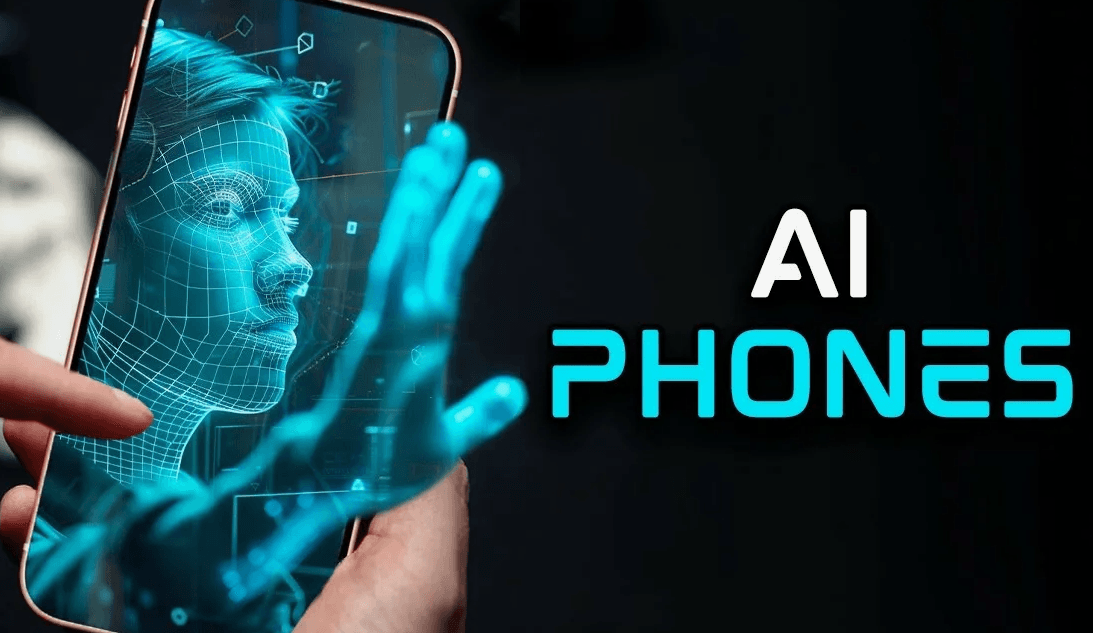
The traditional smartphone experience relies heavily on constantly switching between separate applications to finish a single task. Emerging digital assistant frameworks aim to eliminate this friction by granting central intelligence engines permission to navigate cross-application data independently. In future software iterations, an intelligent agent could inspect post-visit medical notes, cross-reference insurance policy guidelines, and book an appropriate clinical appointment without requiring manual intervention from the user.
Moving away from micromanaging individual applications addresses a major pain point in digital life: high screen time. Technology leadership emphasizes that giving users back small increments of time—ranging from five minutes to half an hour each day—represents a major leap forward in utility. Eliminating mechanical micro-tasks allows individuals to step away from their devices while complex administrative actions run securely in the background. Reducing manual input requirements remains a foundational principle in understanding how AI will change our smartphones in upcoming software generations.
Competitive Market Dynamics and Consumer Sentiment Surrounding AI
The push toward proactive mobile assistants takes place within a highly competitive global market where major platform operators and third-party software firms compete for user engagement. Massive device manufacturers, whose software platforms power billions of active devices worldwide, are deeply integrating advanced intelligence models into their native operating systems. Competitors are similarly updating virtual assistant platforms to handle contextual personal data, coordinate actions across third-party software, and sustain more fluid, natural spoken conversations.
However, rapid deployment of proactive software tools coincides with growing public skepticism regarding automated decision-making and data collection. Market research indicates that broad segments of consumers hold reservations about the societal impacts of artificial intelligence, while a vast majority express hesitation regarding corporate management of personal user data. Industry leadership recognizes these concerns, shifting the marketing focus away from theoretical capabilities and toward tangible, everyday problem-solving. Overcoming public skepticism remains critical as developers attempt to show how AI will change our smartphones into reliable personal assistants.
Long-Term Industry Trajectory and Technological Boundaries
Despite bold industry predictions, current mobile platforms remain in the early stages of full task automation. Current software architecture cannot yet execute complex multi-step logistics entirely without human oversight, as cross-app integration, security protocols, and contextual accuracy require further development. Platform architects typically design mobile software roadmaps three years ahead of commercial release, meaning current feature rollouts represent early foundations rather than fully realized end states.
As hardware capabilities advance and machine learning efficiency improves on mobile processors, operating systems will continue moving closer to complete background execution. The long-term goal focuses on creating a seamless environment where users articulate high-level objectives rather than navigating rigid interface structures. While full automation remains an ongoing engineering challenge, the clear trajectory of mobile development highlights how AI will change our smartphones into autonomous tools designed to save human time.

Pingback: Quantum Battery Prototype Disrupts Charging Limits - Apex Globe Media