


A portable camp shower used to mean a black plastic bag hung from a tree. The Joolca Hottap Go, a propane-heated shower in a box from Australian company Joolca, costs $554 on sale ($599 at list price), and more than $700 with its optional battery. That price would have seemed absurd a decade ago. That there are buyers for it says a lot about how camping, remote work and life on the road have changed, and about how outdoor brands now make money.
What the Hottap Go is
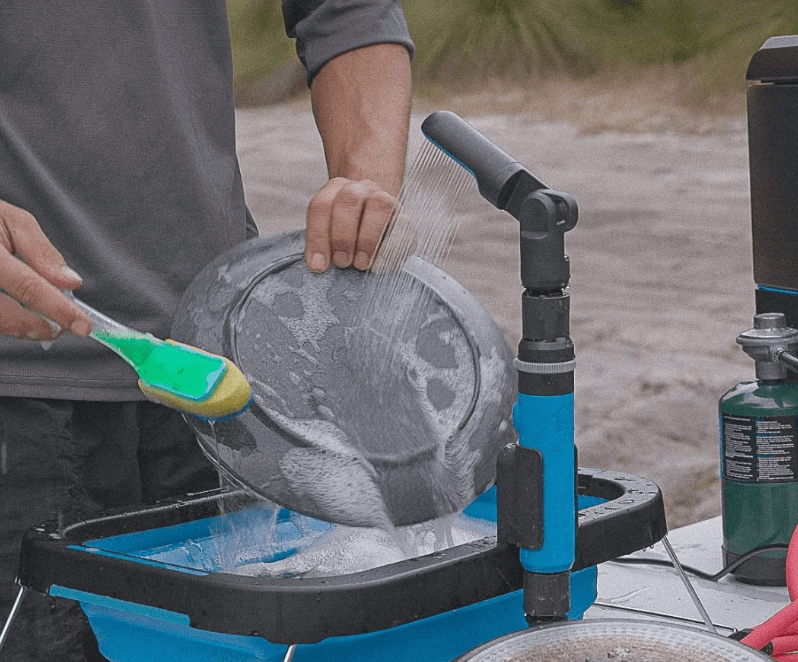
The Hottap Go is a self-contained hot water system. A 12-litre tank, a propane burner, a 12-volt pump and a digital temperature display are built into one rigid case, The Verge reported in its July review by deputy editor Thomas Ricker, who tested it while living in a van. The hoses, shower head, gas canister and battery all pack inside the tank, and the case measures 495 x 359 x 180mm, sized to fit the jerry-can holders found on many off-road vehicles. It weighs 9.5kg empty.
The electricity runs only the pump and display; the water is heated by gas from a standard one-pound propane canister, which Joolca says is enough for about 15 showers. The maximum temperature is 60°C. A full tank gives roughly two showers, The Verge found, with careful use of the on/off button on the shower head.
The design idea: no wasted water
Cheaper “tankless” camp showers pump water from a separate container through a heater and out of the shower head straight away, so the first spray is cold and usually ends up on the ground. The Hottap Go instead recirculates water inside its own tank until the whole volume reaches the chosen temperature. Joolca says that takes about five minutes; The Verge measured four minutes to heat tap water to 47°C. When water must be carried in, not losing the first litres matters.
The review also found weaknesses. Water pressure is “just okay,” strong enough for shampooing but not for cleaning a muddy bike. On a windy beach the burner kept reigniting until it showed an error and had to be moved out of the wind. And the $165 magnetic power bank sold in the US is an extra, which takes the full kit to about $719. The Verge noted that tankless rivals such as BougeRV’s cost about half as much.
Why people pay $700 for a shower
The market for this kind of gear has grown. More than 52 million North American households went camping in 2025, generating about $66 billion in local spending, according to the 2026 North American Camping Report from campground operator KOA. The same report found that glamping, camping with more comfort and facilities, made up 29% of camping trips, and that 47% of campers plan trips specifically to improve their mental well-being. Campers increasingly expect comfort outdoors, not just survival.
People who spend weeks on the road, rather than one weekend a year, think about gear differently. A shower that is used dozens of times, stores neatly and does not waste water is closer to a home appliance than a camping toy. The Verge’s conclusion reflects that split: for someone who camps once or twice a year, the price makes little sense; for vanlifers and people who regularly spend days away from plumbing, it can be justified.
The business model behind premium outdoor gear
Joolca’s approach is typical of a growing group of outdoor brands. They target a smaller, committed customer base willing to pay more for convenience, sell directly online, and add margin through accessories such as batteries, hoses and mounts. The same logic drives premium portable power stations, rooftop tents and vehicle fridges. The risk for such brands is that demand depends on discretionary spending, which is among the first things households cut when budgets tighten, and that cheaper copies arrive quickly once a design proves popular.
Durability is part of the sales pitch. Products that cost several hundred dollars need to last for years, which is the same argument that repairable phone makers such as Fairphone use to justify their prices. Long-term reliability data for the Hottap Go is not yet available.
Our take
The Hottap Go is a well-designed product for a narrow but real audience: people who live or work on the road for long stretches. For them, the water-saving recirculation and all-in-one storage solve everyday problems, and the price is easier to justify. For occasional campers, a simpler tankless shower or a campground’s facilities remain the sensible choice. As a business case, it shows how outdoor brands are moving upmarket by treating camping gear as household equipment.