


Google just made a seven-month-old phone $100 more expensive without changing a single thing about it. The Pixel 10a now starts at $599, up from $499, and the 256GB model costs $699. Google’s explanation fits in one phrase: memory costs.
That one price tag is a small piece of a bigger squeeze, and it affects almost everything with a chip inside.
Which gadgets have gotten more expensive?
The Pixel 10a is not alone. Google’s Pixel 11 lineup arrived in August costing $100 more than its predecessor across every model. Samsung has raised prices on most Galaxy S26 phones by $100. Apple raised prices on its iPhone 18 lineup and some older models, and earlier increased prices on five MacBook and iPad models. Even Apple’s cheapest MacBook, the Neo, launched at $599 in March and now starts at $699.
Tim Cook, who led Apple until September and is now its executive chairman, has described the component cost situation as unlike anything he has seen in more than 40 years in the industry.
Why is there a memory shortage?
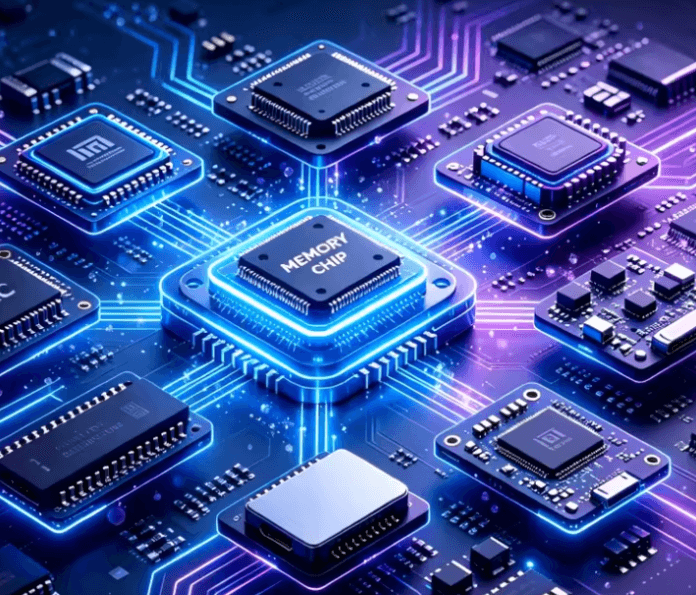
The short answer is artificial intelligence. AI servers need huge amounts of memory, especially a type called high-bandwidth memory, or HBM. Chipmakers have been moving production toward it, because server memory is far more profitable. TrendForce estimates HBM will take roughly 30% of the top three suppliers’ DRAM wafer capacity by 2027, up from about 18% at the end of 2025. What is left for phones and laptops costs more.
The numbers are large. A Google vice president, citing Morgan Stanley, said RAM prices have climbed from $2.80 to $12 per gigabyte. According to The Next Web, memory now makes up as much as half of the parts cost of a budget Android phone, compared with about 15% before the shortage.
This isn’t a normal shortage
Past memory shortages came and went with the economic cycle. This one looks more like a reallocation. AI data centers will pay more than consumers, so manufacturers sell to them first. Phone makers aren’t failing to get memory; they are being outbid.
That also explains why price increases are reaching products that are already on shelves. The Pixel 10a is the clearest example: nothing about the phone changed, only the cost of one component.
How companies are softening the blow
Manufacturers are trying to make the increases less visible. Google and others have offset higher starting prices by including more storage in base configurations, since flash storage is easier to get than RAM. Google is also cutting memory in some models, including the Pixel 11 Pro, and reworking Android to use less of it.
The result is a different kind of trade-off: a phone that costs more but may come with less RAM than you’d expect at that price.
When will memory prices fall?
Not soon. TrendForce says suppliers will keep prioritizing server products through the fourth quarter, and that conventional DRAM contract prices should rise another 10% to 15%, a slower pace than earlier this year. Its outlook for 2027 is that DRAM stays tight because of strong AI server demand and HBM allocation. New factories are not expected to meaningfully change supply before 2027, and even then priority would go to AI products.
There is one more detail. TrendForce expects flash storage, called NAND, to loosen in the second half of 2027 as new capacity arrives and consumer demand stays weak. That suggests storage may become cheaper before RAM does.
What buyers can do
Waiting is not guaranteed to save money, because prices can rise on models that are already on sale. Last-generation devices sometimes offer better value, though the Pixel 10a shows even those can be repriced. If you are choosing between configurations, remember that extra storage is the part most likely to get cheaper first, while RAM is the part that is hardest to upgrade later. And don’t be surprised if the next gadget you shop for costs about $100 more than the last one did.