

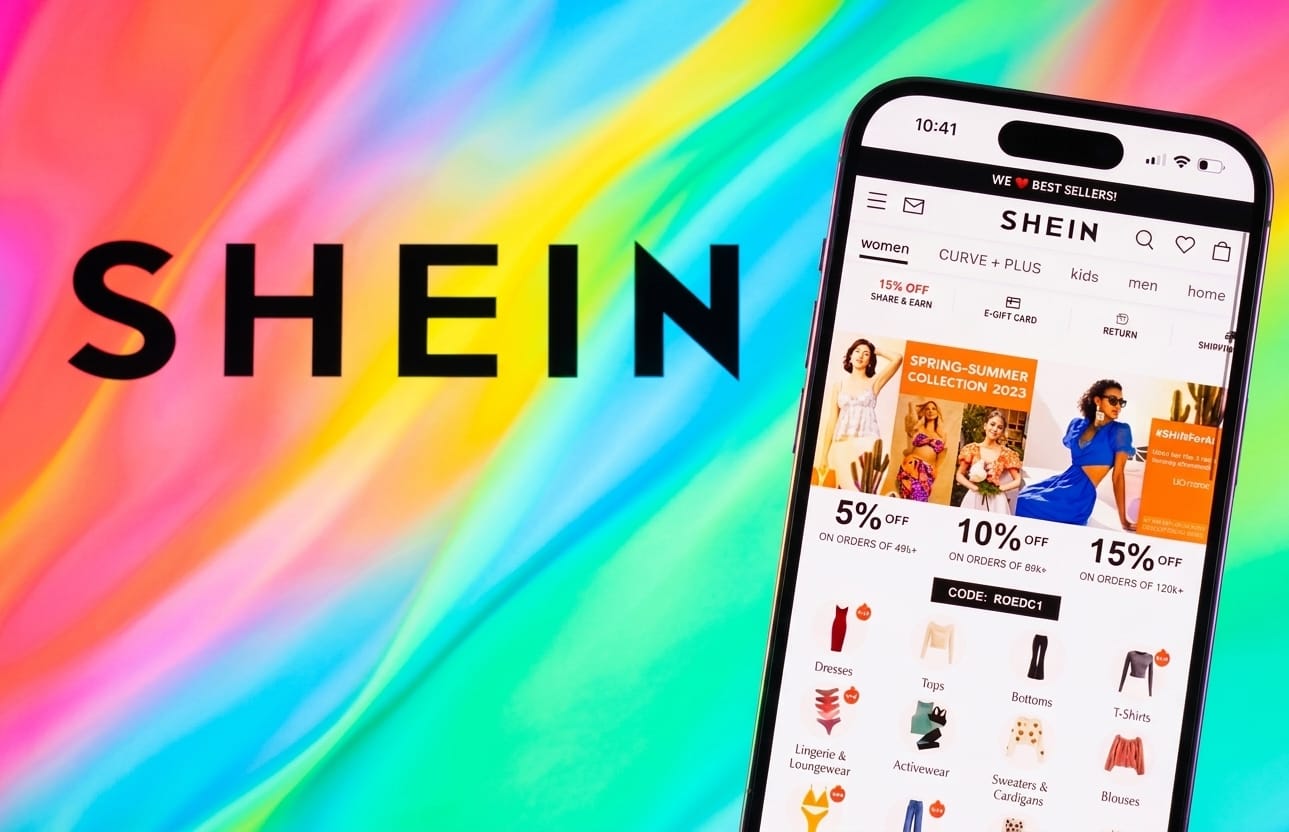

The Shein acquisition strategy is now at the centre of the company’s pitch to investors. After finally listing its shares in Hong Kong in the first week of September, the fast-fashion retailer has about $15 billion in cash, according to its prospectus, plus $1.74 billion raised in the initial public offering (IPO), and it plans to use some of that money to buy other brands, Reuters reported.
The first deal is already known. Shein confirmed in its prospectus, the official document a company publishes before listing its shares, that it will buy the US clothing brand Everlane for $80 million. A source familiar with the situation told Reuters the Everlane purchase is a “dry run” for a broader strategy of buying brands at different price levels.
A weak start on the stock market
The Hong Kong listing came after years of failed attempts in New York and London, where Shein ran into regulatory hurdles. Investors have not been enthusiastic. Shein shares closed on Friday at 38.14 Hong Kong dollars ($4.86), more than 20% below the offer price.
Part of the problem is slowing growth. Shein’s sales grew just 1.1% in the first quarter of 2026, down from 8% growth for the whole of 2025. A major reason is the US decision to remove the “de minimis” exemption, a rule that allowed low-value parcels to enter the country without import duties. That exemption had helped Shein ship cheap orders directly to American shoppers from its suppliers in China.
“Investors have yet to price in a successful transition to a brand and platform business,” said Louise Deglise-Favre, lead apparel analyst at the research firm GlobalData. She noted that building “a meaningful brand portfolio” takes years, while the loss of duty-free access is hurting revenue now.
From retailer to platform
The idea behind the acquisitions is to turn Shein from a single store into a platform for many brands. Through a programme called Xcelerator, Shein sells other brands access to its manufacturing network, warehouses, logistics and global sales platform.
Its main selling point is speed. Shein’s supply chain software alerts factories when a product is selling well, so they can make more, and tells them to stop producing styles that are not selling. That system keeps inventory, the stock of unsold goods, very low. According to the prospectus, one brand in the Xcelerator programme increased its sales about 15 times in its second year, improved its operating margin by more than 30 percentage points and cut the time it took to sell its stock by about two-thirds.
Shein already owns the British brand Missguided. “We see significant potential to build on the track record we have established with successful brands such as Missguided,” a company spokesperson said. Missguided’s founder, Nitin Passi, wrote on LinkedIn that “Shein at its core is one of the most efficient supply chains ever built.”
Why Everlane is a test
Everlane is an unusual first target. The brand built its reputation on “Radical Transparency” and “Clean Luxury”: it uses mostly organic materials and tells customers which factory made each item. Shein’s clothes are mostly polyester, and its website does not say where each garment was made.
When reports of the deal emerged in May, many Everlane customers reacted angrily on social media. In a letter seen by Reuters, Everlane chief executive Alfred Chang told employees the brand would remain independent and true to its sustainability commitments. Everlane said its leadership and brand standards remain unchanged.
If the integration works, Everlane could bring Shein new customers. “Everlane’s customer base obviously skews higher income than the Shein brand in the U.S.,” said Michael Gunther of the research firm Consumer Edge. Retail is one of several industries where companies are using their size to expand into new areas, as shown in our report on AI capital spending by Big Tech.
The limits of buying growth
Shein’s marketplace revenue, earned from sales by other sellers on its platform, is growing much faster than sales of its own products, but it is still much smaller. “Acquisitions can give Shein another growth engine, but they cannot substitute for improving the economics of the core business,” said Jianggan Li, chief executive of the Singapore consultancy Momentum Works. “One Everlane will not move the needle; what matters is whether Shein can prove this is a repeatable model.”
Why it matters for businesses
For struggling clothing brands, Shein’s model offers something valuable: fast production, low inventory and access to a global customer base. The trade-off is reputational. Brands built on sustainability or local production risk losing loyal customers if they are seen as part of a fast-fashion group. Retailers and investors will watch Everlane closely as a test of whether those two worlds can coexist.
Our take
Shein has the cash and the supply chain to become a serious buyer of brands, and the logic of using its factories for other labels is sound. But Everlane shows the core tension: the efficiency that makes Shein powerful is the same thing many premium customers want to avoid. A single $80 million deal will not fix slowing growth. The real question is whether Shein can grow several acquired brands without damaging what made them attractive in the first place.