

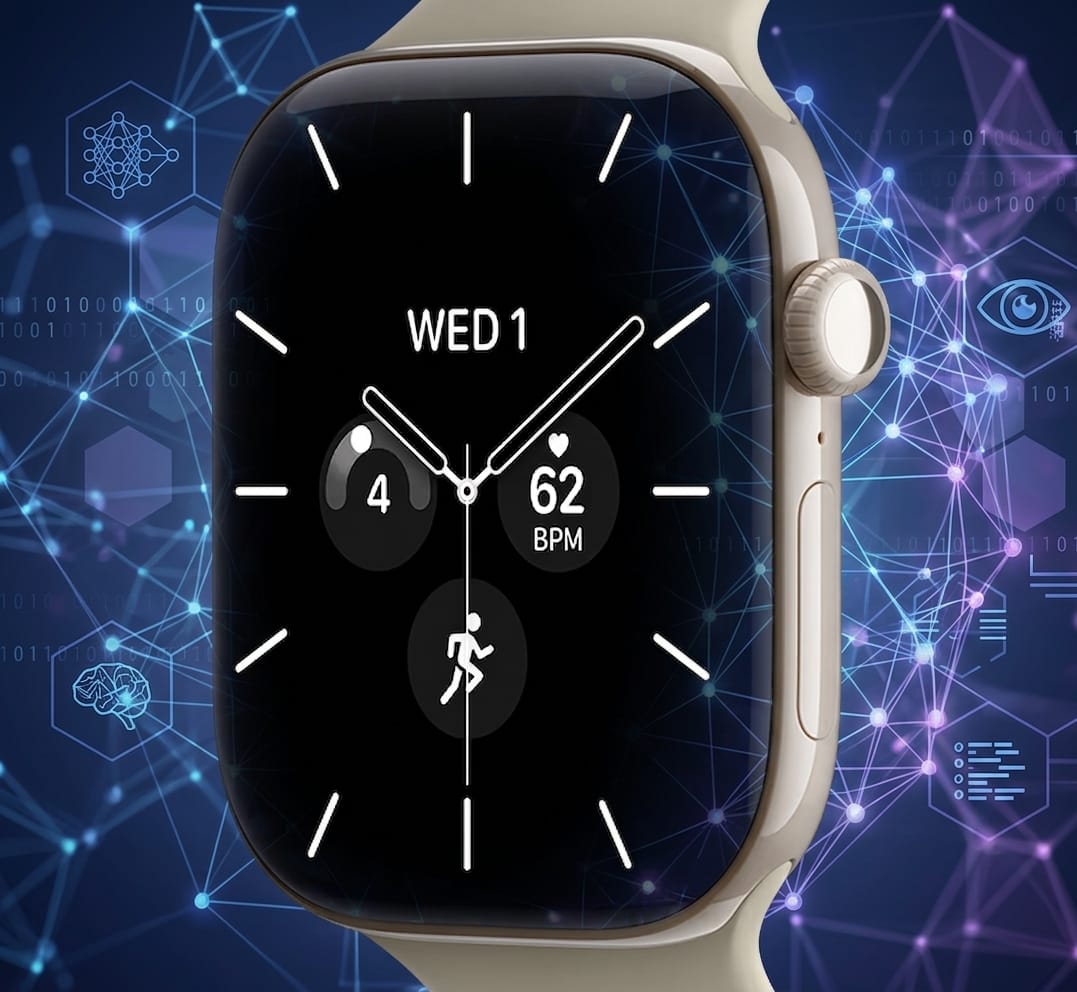

The Apple Watch Series 12 launch on September 9 brought back ceramic cases for the first time since 2020, but the bigger change sits underneath: a rebuilt set of health sensors that check the wearer’s heart rate every five seconds. Apple is turning the watch from a fitness tracker into a continuous health monitor, and the new features show where the wearables business is heading. The Series 12 starts at $399, and in-store sales begin September 18.
What Apple announced
The Series 12 runs on Apple’s new S11 chip and a redesigned “Health Sensing System,” MacTech reported. Apple claims it offers the most accurate heart rate sensing in any wearable, a claim that has not yet been independently tested. Aluminium models start at $399. Ceramic versions in pearl white and night blue start at $899, Cool Hunting reported. The rugged Apple Watch Ultra 4 keeps last year’s $799 starting price, according to Android Headlines.
Battery life on the Series 12 stays at 24 hours of normal use, with up to 10 hours of outdoor workout tracking, 25% more than last year, Finder reported. A 15-minute charge gives up to 12 hours of use. The Ultra 4 lasts up to 50 hours on a charge.
The sensor change that matters
Previous Apple Watches measured heart rate roughly every five minutes outside workouts. The Series 12 does it every five seconds, Cool Hunting reported. The electrical sensor used for ECG readings (an electrocardiogram records the heart’s electrical activity) grew from two electrodes to 32, and the optical sensor now uses a ring of eight light detectors instead of four. Heart rate variability, the small changes in time between heartbeats that indicate stress and recovery, is measured up to 24 times more often.
That data feeds a new daily Readiness score from 0 to 10, built from recent activity, training load, vital signs and sleep. It gives one of four recommendations, from “Recover” to “Go For It,” and needs seven nights of overnight data before it starts working. It is exclusive to the new models. Later this year, a redesigned Health app will add a Longevity tab and a Health Age feature that compares the user’s metrics with their actual age, MacTech reported.
Why Apple is pushing health
Readiness scores are not new. Whoop, Oura and Garmin have sold them for years, and Google added more health tracking to the Pixel Watch 5 last month. Apple is catching up on software while betting that better sensors will give it more accurate data than rivals. For Apple, health features are a reason to upgrade in a market where watches otherwise change little from year to year, and they keep customers inside its ecosystem of iPhone, Health app and services.
The same event also featured Apple’s first foldable iPhones, which we covered separately. Together, the launches show Apple trying to give buyers new reasons to spend at a time when its sales forecasts have been cautious, as we reported in August.
What it means for businesses
Continuous health data has value beyond consumers. Employers that run wellness programmes, insurers that reward healthy habits and clinical researchers all have an interest in heart and sleep data collected every few seconds. Apple has stressed privacy in its health products, and access to this data depends on user permission, but the more detailed the data becomes, the more questions it raises about who can use it and how.
For health app developers, more precise heart rate variability data opens room for new services, from stress coaching to recovery planning. For competitors, the bar for sensor accuracy has risen. None of the new metrics are medical diagnoses, and buyers should treat Readiness and Health Age as guidance, not clinical advice.
Our take
The ceramic case will get the headlines, but the five-second heart rate sampling is the real story. Apple is building the data foundation for health services that could matter more to its business than the watch itself. The Readiness score is a catch-up feature rather than an innovation, and Apple’s accuracy claims still need independent tests. Buyers with a Series 10 or 11 can probably wait; owners of older watches get a genuine upgrade.