

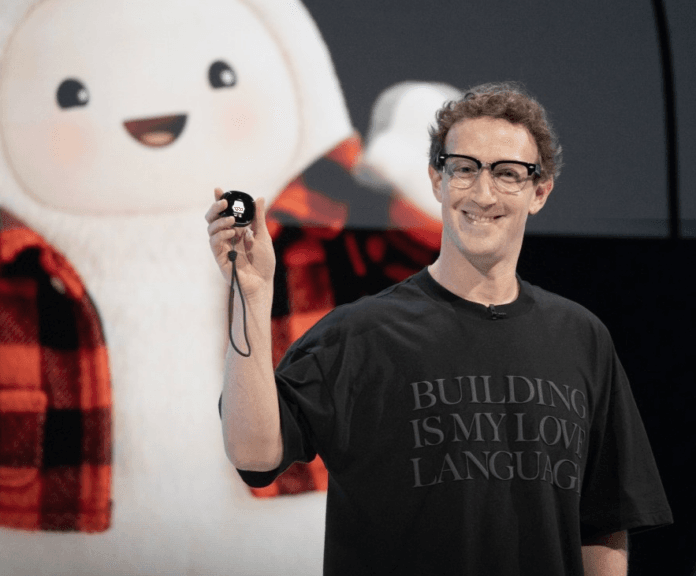

At Meta Connect, Mark Zuckerberg revealed Charm, a standalone pocket gadget designed to host Meta’s new Muse assistant. Sized like an AirPods case and equipped with a 2-inch touchscreen, 5G, and cameras, the device is slated for release by December 2026. Rather than offering another phone alternative, Meta is attempting to build a dedicated physical vessel for an AI agent—hoping users will carry a second device purely to interact with “personal superintelligence.”
The move marks a clear shift in Meta’s hardware philosophy. After years of heavy capital expenditure on bulky metaverse headsets, the company is pivoting toward lightweight, agent-first hardware. However, building a dedicated standalone AI device carries significant market risk. Previous attempts by hardware startups—such as the Humane AI Pin and Rabbit R1—failed to convince consumers that a separate AI gadget offers enough value to justify taking up pocket space alongside a smartphone. With OpenAI and Jony Ive also reportedly developing dedicated AI hardware, Meta is racing to stake its claim before rivals define the post-smartphone interface.
By providing Charm with its own 5G connection and cameras, Meta avoids relying on Apple or Google’s smartphone operating systems to mediate how Muse sees and hears the world. The cameras allow the assistant to analyze a user’s surroundings in real time, while native hardware integration lets Meta bypass mobile app store restrictions. Yet Meta executives themselves concede that Charm is a niche product for early adopters rather than a mainstream phone replacement, framing it as a complement to smart glasses and mobile apps.
Ultimately, Charm represents Meta’s attempt to anchor users inside its AI software suite through proprietary hardware. Whether consumers are willing to carry, charge, and pay for an extra device just to talk to an AI assistant remains dubious. If Charm fails to capture interest, it will join a growing list of standalone AI novelties—proving once again that unless an AI experience seamlessly integrates into existing habits, hardware alone cannot create demand.