

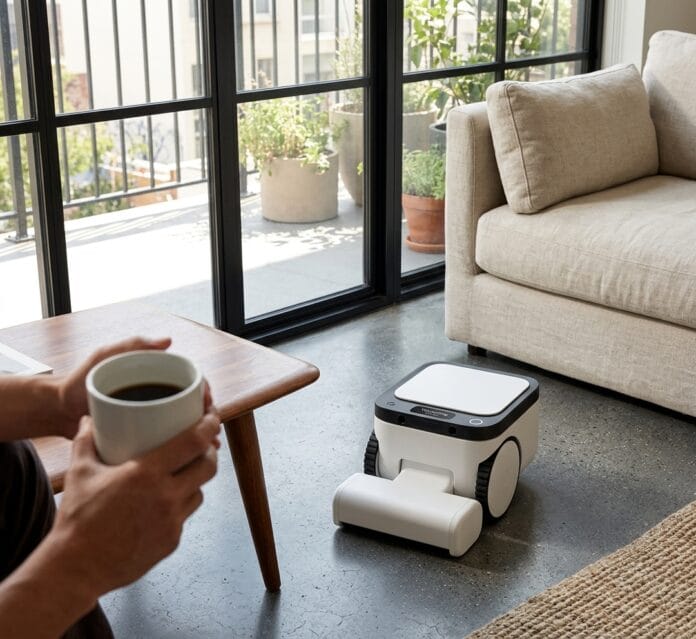

Matic has become the first robot vacuum maker to appear on the FCC’s list of exceptions, and the company didn’t actually need to be there. The twist says a lot about how the FCC robot vacuum ban really works.
What the FCC robot vacuum ban actually covers
On July 28, the FCC added foreign-produced advanced robotic devices to its Covered List, a register of equipment judged to pose national security risks. The category reaches robot vacuums, along with lawn mowers and pool cleaners. Products on that list generally can’t get the FCC authorization required to be imported, marketed and sold in the US.
The key detail is timing. The rule blocks future products, not existing ones. Models authorized before the change can still be sold, and robots already in people’s homes keep working. For buyers today, nothing changes.
Why Matic didn’t need an exemption
On October 2, the FCC added the original Matic robot (model 4MA0001) and its charging dock (4DK0008) to its list of waivers. But Matic’s radios were approved years ago, so the robot was never caught by the ban. The company doesn’t even seek FCC approval for its own radio hardware: it ships an off-the-shelf Intel AX210 Wi-Fi and Bluetooth card, the kind found in laptops, which carries its own approval. And because Matic assembles its robots in Mountain View, California, there is no import to block.
The exemption also has narrow limits. It names two specific products. It is not a blanket approval for the brand, unlike the one the FCC gave to Asus and Netgear routers. Before Matic, the first robots to receive conditional approvals were four Husqvarna lawn mowers, announced on September 9.
Why the waiver may still matter
It is probably more than a symbolic gesture. The FCC is trying to close loopholes that weaken its bans, is considering requiring manufacturers to disclose every component in their devices, and is going after some companies it believes are ignoring the rules. Matic admits it doesn’t yet get 65% of its components from US suppliers, the level it says is needed to be considered made in the US. A foreign part could cause trouble later, and the waiver works as insurance.
Origin has become a feature
Matic’s CEO, Mehul Nariyawala, says the company may be the only floor-cleaning robot built in America, and that this has become a core part of its pitch. The numbers support the strategy: shipments grew from 1,500 robots a year ago to 17,000 now. Over the past three months, Matic turned its entire 24,000-square-foot Mountain View facility into a production floor and moved its offices to Menlo Park. Its core compute platform comes from Nvidia, and it sources other critical parts from US suppliers when possible.
The broader lesson goes beyond one vacuum. The ban is meant to protect against security risks, but it also turns where a product is made into something shoppers can compare. Companies with US assembly get a talking point and a lower risk of trouble with regulators, while competitors that rely on overseas factories must apply for approvals one model at a time. Whether other vacuum makers follow Matic’s route or line up for exemptions is the next thing to watch.
What buyers should know
If you own a robot vacuum, it is not banned and will not stop working. Models already on the market remain legal to buy. The restrictions matter for new models arriving from abroad, so expect fewer launches, longer waits or higher prices, and expect “built in the US” to appear more often on the box.