

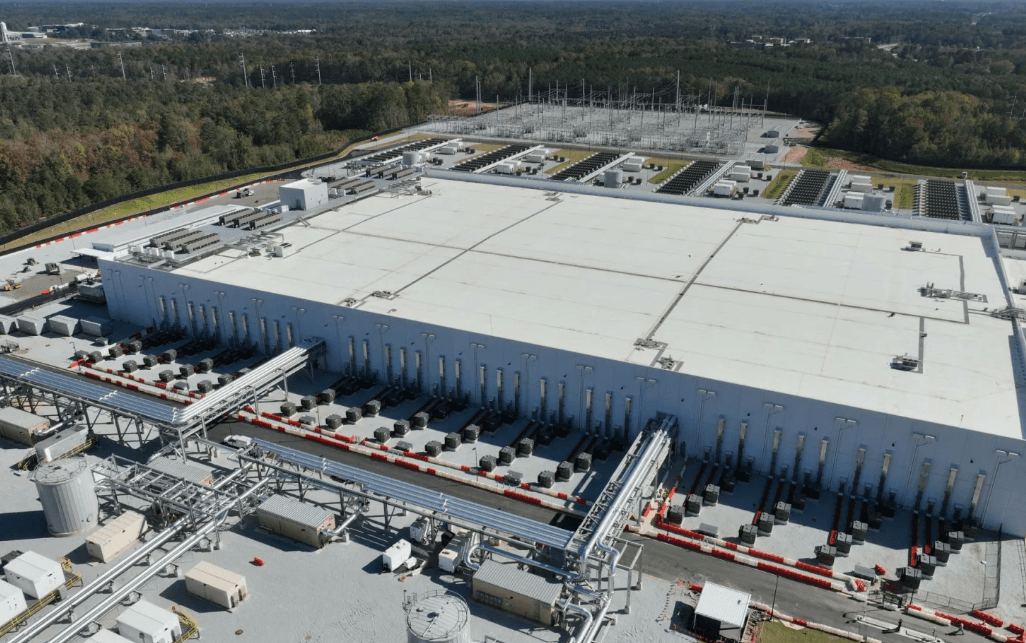

The AI data center backlash has escalated into a defining national movement as local communities, environmental advocates, and political groups rally against the rapid expansion of digital infrastructure across the United States. Once confined to quiet industrial corridors like Loudoun County, Virginia, massive computational facilities built to power next-generation artificial intelligence models now face unprecedented pushback. From suburban neighborhood coalitions to state legislatures, citizens on both sides of the political spectrum are uniting to challenge the noise, energy consumption, and environmental footprint of these mega-facilities.
Bipartisan Opposition and Local Community Resistance
The rising AI data center backlash highlights a rare point of agreement between disparate political factions. In states like Florida and Virginia, grassroots resistance brings together conservative landowners concerned about property rights and noise pollution alongside progressive environmentalists focused on carbon emissions and clean water preservation. This bipartisan opposition has culminated in formal moratoriums and municipal bans, forcing technology hyperscalers to re-evaluate their long-term infrastructure expansion plans.
Residents neighboring these massive computational campuses report continuous low-frequency hums from industrial cooling units, plummeting residential property values, and strained municipal water supplies. As local opposition intensifies, community groups are successfully delaying zoning permits, demanding stringent environmental impact assessments, and lobbying county commissioners to restrict further data center construction within residential zones.
Regulatory Rollbacks and Environmental Concerns
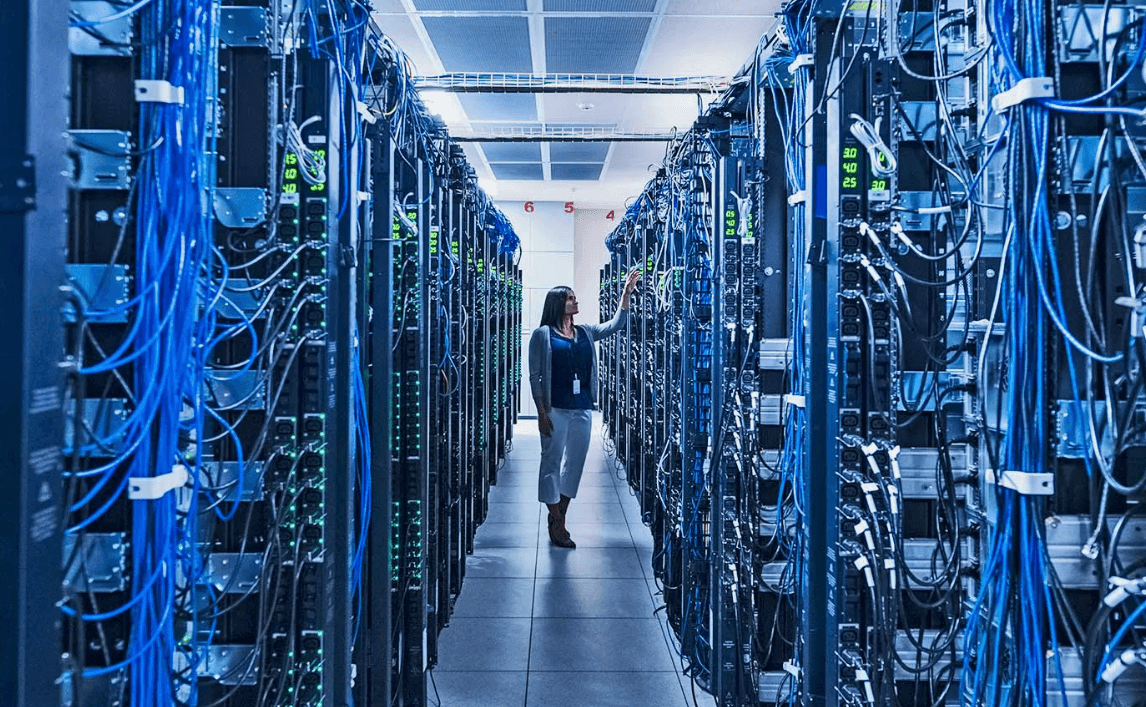
As public opposition mounts, regulatory policy around energy generation and air quality has emerged as a key battleground. Proposed administrative shifts within federal environmental agencies aim to eliminate specific air pollution reporting rules, a move critics argue is designed to shield data center developers from public scrutiny. Facilities operating backup diesel generators during peak grid strain generate substantial localized emissions, raising severe health concerns among surrounding populations.
Environmental advocates stress that hiding air pollution data undermines public trust and prevents local communities from assessing the true health impact of neighboring computing hubs. Key environmental pressure points include massive electricity consumption that strains regional power grids and drives up utility rates for local residents, alongside high volume water usage for liquid cooling systems during prolonged heatwaves. Furthermore, localized air pollution from backup diesel generation during power grid fluctuations and the permanent loss of agricultural land and suburban green spaces to industrial computing complexes remain major pain points. Despite attempts to streamline federal permitting processes, environmental groups continue to file legal challenges against rapid utility expansions meant to serve AI computing hubs.
Impact on Big Tech Infrastructure and Future Outlook
The intensifying AI data center backlash presents a structural obstacle for technology companies racing to deploy advanced artificial intelligence architectures. With local zoning boards delaying approvals and state governments contemplating strict building moratoria, the friction between computational demands and community consent threatens to slow the pace of AI infrastructure deployment across North America.
To bypass growing domestic resistance, tech developers are increasingly exploring alternative locations, including remote rural regions, offshore facilities, and international sites. However, as public awareness expands globally, the battle over data center placement is shifting from a local zoning issue into a central debate over energy policy, environmental protection, and community sovereignty in the digital age.
Ultimately, addressing the root causes of the AI data center backlash requires tech corporations to balance rapid computing scaling with sustainable energy practices and meaningful public engagement. Without direct efforts to mitigate grid strain, noise pollution, and environmental degradation, the growing national AI data center backlash will continue to reshape the legal and operational landscape for hyperscale data centers across the country.