

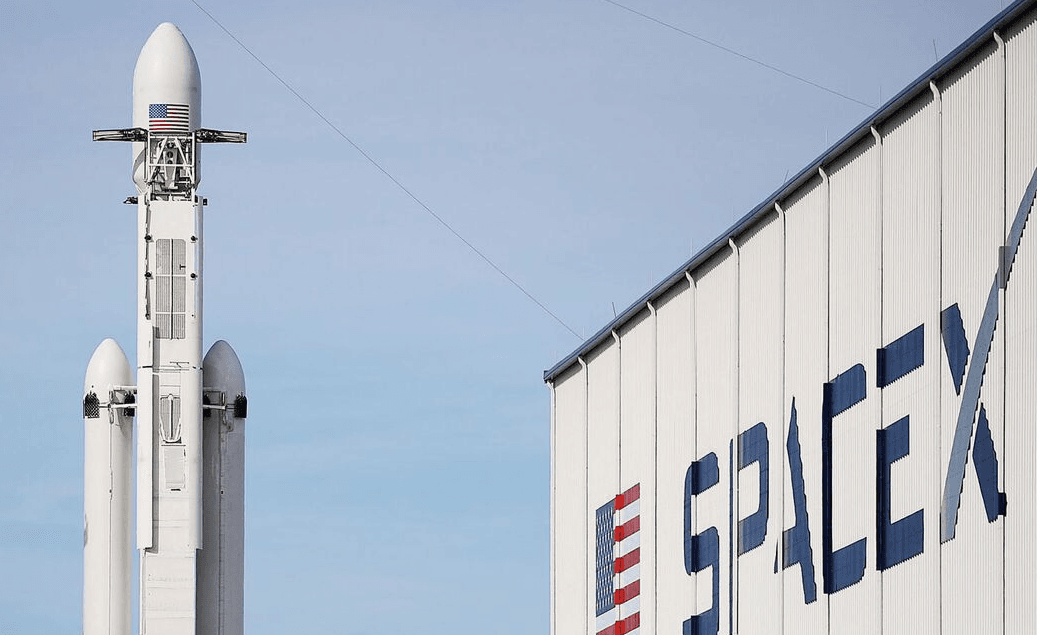

The SpaceX nuclear satellite launch achieved a major historical milestone for commercial aerospace infrastructure following the successful deployment of the BOHR demonstration satellite into low Earth orbit. Launched aboard a Falcon 9 rocket from Vandenberg Space Force Base in California as part of the Transporter-17 rideshare mission, the launch represents the first time a commercially built satellite utilizing nuclear betavoltaic power technology has reached space. The mission opens a new chapter in orbital energy generation, testing whether compact radioisotope power systems can sustain long-duration space operations without total reliance on traditional solar arrays or bulky chemical batteries.
Betavoltaic Micropower Technology and Engineering Design
Developed by Florida-based deep-tech firm City Labs, the BOHR satellite serves as an in-orbit testbed for proprietary NanoTritium betavoltaic micropower technology. Unlike traditional nuclear fission reactors used in naval propulsion or terrestrial power plants, betavoltaic systems generate electrical current through the decay of tritium isotopes. The energy released by emitting low-energy beta particles is captured by specialized semiconductor structures and directly converted into usable electricity.
This solid-state power architecture offers several technical advantages for spaceborne hardware:
Complete absence of moving mechanical parts, reducing thermal friction and mechanical failure points.
Zero liquid fuel requirements or high-pressure coolant circulation systems.
Continuous electrical output independent of solar irradiance, solar panel orientation, or orbital eclipse phases.
Long-term radioisotope half-life providing sustained low-wattage power across decades.
While primary satellite buses and telemetry systems on the BOHR spacecraft continue to rely on standard solar panels for baseline operations, the integrated tritium-based micropower source directly energizes and validates the primary scientific payload. This operational trial will generate valuable empirical data regarding continuous power delivery in harsh orbital radiation environments.
Federal Approval Pathways and Regulatory Standards
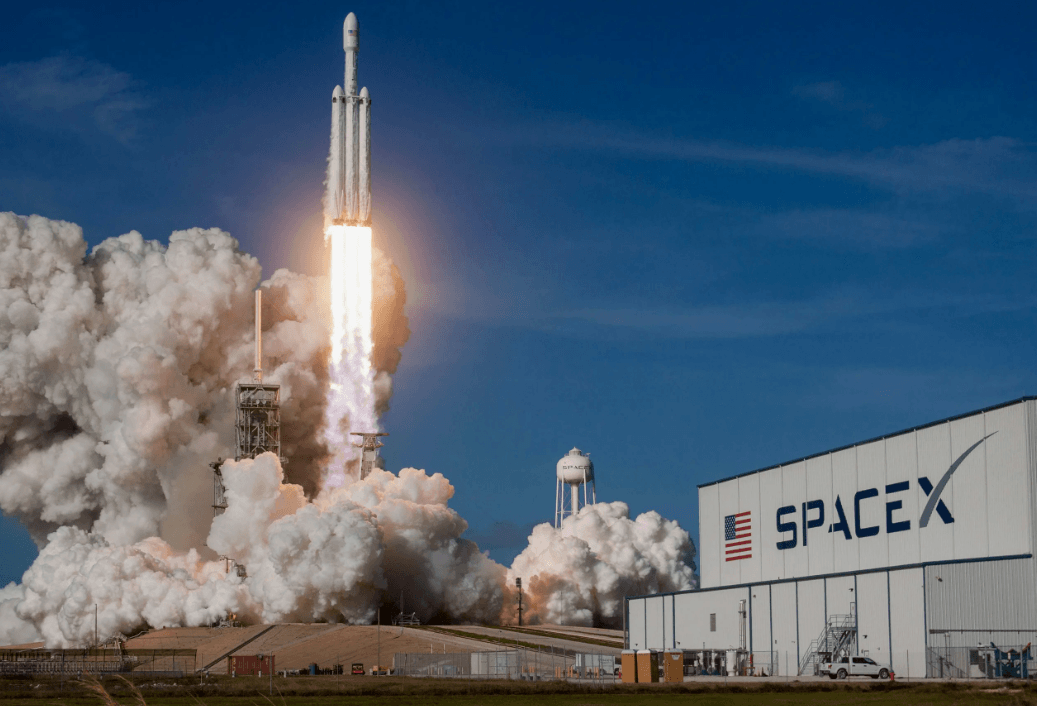
Deploying radioactive isotopes into orbit requires rigorous safety evaluations and multi-agency regulatory scrutiny. The SpaceX nuclear satellite launch established a regulatory precedent by becoming the first commercial mission authorized through the Federal Aviation Administration under National Security Presidential Memorandum-20. Established in 2019 and updated in 2020, this policy framework modernized federal launch safety procedures for commercial spacecraft carrying non-fission nuclear power systems.
City Labs secured payload authorization following extensive safety assessments led by internal engineering teams alongside independent verification from Sandia National Laboratories. The multi-year review validated that low-energy tritium betavoltaic cells pose negligible radiological risks during nominal launch operations or potential launch abort scenarios. The successful clearance demonstrates that commercial satellite operators can navigate federal launch approval pathways for radioisotope technology without prohibitive administrative delays.
Future Applications for Deep-Space Exploration and Off-World Bases
The orbital validation of betavoltaic micropower systems aligns with broader international initiatives to expand human presence and autonomous infrastructure across the Solar System. NASA’s Artemis program and planned lunar surface outposts require continuous power solutions capable of enduring two-week-long lunar nights and functioning inside permanently shadowed polar craters where solar light cannot reach. Compact nuclear batteries provide reliable energy generation for autonomous environmental sensors, deep-space communication relays, and subsurface drilling rigs operating beyond low Earth orbit.
In addition to lunar applications, continuous commercial micropower cells enable long-duration missions to the outer solar system, where solar intensity drops exponentially. By proving that betavoltaic hardware can withstand orbital deployment, commercial aerospace firms are establishing a foundation for resilient, long-life space systems that operate independently of solar geometry.
Commercial Space Infrastructure and Market Outlook
The successful SpaceX nuclear satellite launch signifies a major shift from legacy government-funded radioisotope thermoelectric generators toward miniaturized, commercial nuclear applications. As satellite constellations expand into higher orbits and deep-space missions become increasingly routine, the demand for non-solar continuous power hardware will accelerate across commercial and defense sectors alike.
The empirical data gathered during the BOHR orbital demonstration will inform the next generation of spacecraft designs requiring long-duration power reliability. Ultimately, the successful execution of this SpaceX nuclear satellite launch establishes betavoltaic micropower as a viable, commercially deployable energy solution capable of expanding human and robotic capabilities throughout the solar system.