


Managed Trade Frameworks and Historical Precedents
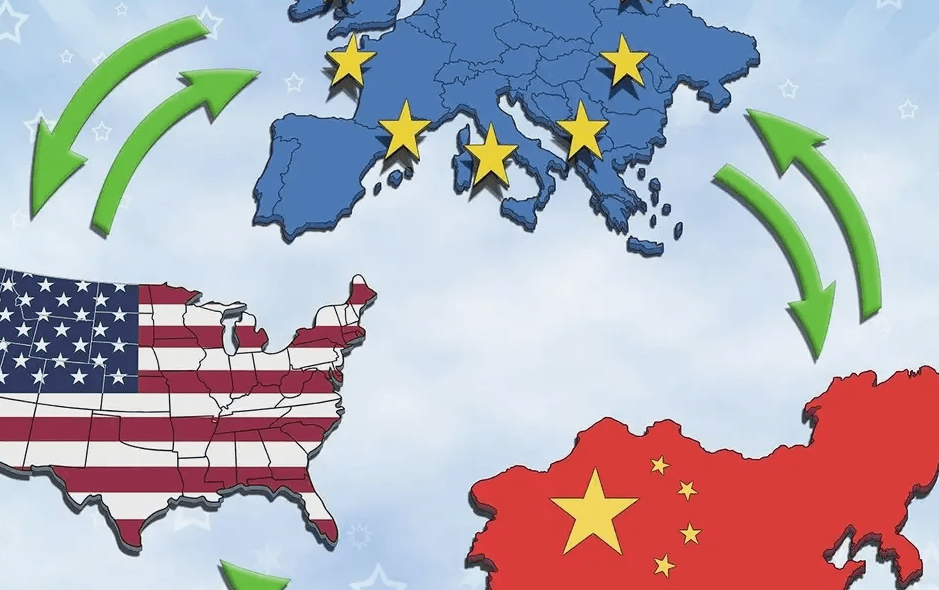
The emerging European approach marks a structural departure from standard post-entry trade defense mechanisms. Rather than relying solely on anti-subsidy duties or safeguards after Chinese goods arrive in European ports, European Union negotiators are proposing a managed trade strategy that combines increased European exports with controlled caps on incoming Chinese shipments. This managed model draws direct inspiration from mid-1980s trade agreements, when key Asian manufacturing nations agreed to voluntary export restraints on automobiles, steel, and consumer electronics shipped to Western markets.
To address the underlying trade imbalance, Brussels is advocating for pilot schemes aimed at selling non-sensitive European products to the Chinese market. European Union negotiators are seeking increased market access across three primary sectors:
Agricultural goods and processed food products
Advanced medical devices and healthcare equipment
European-manufactured passenger vehicles
However, European Union officials concede that current export surges from Asian factories are largely driven by extensive state subsidies and domestic overcapacity rather than pure market dynamics. Consequently, achieving structural trade balance requires Beijing to actively restrain subsidized industrial output at the source.

High-Level Negotiations and Regional Industrial Pressure
The urgency surrounding the new trade policy is driven by mounting domestic economic strain across key European manufacturing hubs. Industrial sectors including automotive manufacturing and chemical processing have suffered plant closures and widespread layoffs due to competition from heavily subsidized Chinese imports. European Union member states have given the Commission an explicit deadline to deliver tangible results from bilateral discussions by mid-October 2026.
Key diplomatic milestones include:
Late August 2026: EU technical negotiators begin open talks in Beijing
Mid-September 2026: Šefčovič holds high-level video conference with Wang Wentao
Early October 2026: Official EU Trade Delegation visit to Beijing
Mid-October 2026: Mandated deadline for tangible trade deliverables
If high-level diplomatic channels fail to secure voluntary export restrictions, the European Commission has signaled it will deploy heavy-handed trade defense tools. These backup options include updated emergency safeguard measures to temporarily restrict import volumes and specialized diversification instruments designed to force European businesses away from over-concentrated Chinese supply chains.
Macroeconomic Risks and Supply Chain Trade-Offs
While managing import flows protects European industrial capacity, the EU trade deficit strategy exposes the eurozone to distinct macroeconomic risks. Restricting low-cost Chinese imports inevitably raises prices for domestic consumers and industrial buyers across the continent. With eurozone inflation hovering around nearly three percent due to ongoing geopolitical conflicts in the Middle East, policy measures that elevate import prices risk stoking broader inflationary pressures across European economies.
Furthermore, efforts to diversify supply chains for critical raw materials and green technologies introduce substantial cost burdens for domestic manufacturers. Nevertheless, European Union trade leadership maintains that the long-term economic cost of supply chain disruption far outweighs the temporary expense of industrial diversification. Balancing consumer price stability against domestic manufacturing preservation remains the central challenge for European trade policy moving forward.
Ultimately, the execution of this updated EU trade deficit strategy establishes that maintaining open commercial access to European markets requires bilateral cooperation, supply chain transparency, and concrete limits on state-subsidized industrial overcapacity.