

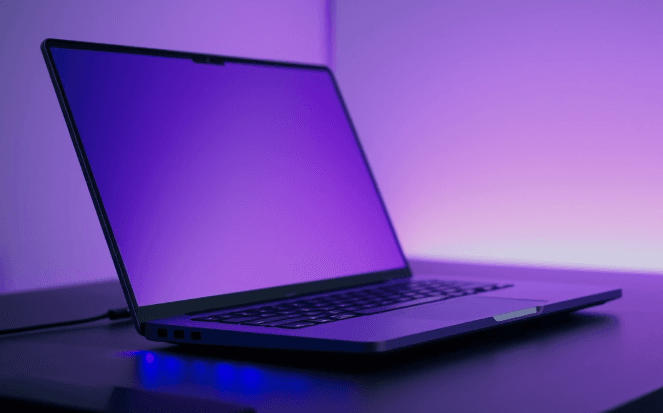

Google is officially opening pre-orders for its new line of Googlebook laptops on September 21, 2026, at 9:00 AM ET. The date was confirmed through updates to the official Googlebook and Chromebook portals, as well as notification emails sent to users who signed up for product alerts. The announcement signals the next step in Google’s push to re-engineer personal computing around deep Android integration and native Gemini AI support.
First announced in May 2026, the Googlebook lineup marks a clear strategic shift away from the budget-focused ChromeOS identity toward a higher-end hardware category. Rather than replacing traditional Chromebooks outright, Googlebook is positioned as a premium laptop line designed to challenge established Windows and macOS machines. Initial hardware rollouts will rely on key industry partners—Acer, ASUS, Dell, HP, and Lenovo—which are expected to deliver a variety of form factors and configurations. While pre-orders are about to open, Google has not yet disclosed final retail pricing or specific store availability.
The system’s technical core relies on a combined architecture that pairs ChromeOS functionality with deeper Android integration and tight smartphone synchronization. Googlebook also places Gemini AI directly at the center of the user experience rather than keeping it contained inside a browser tab or separate software app. A key feature is Magic Pointer, developed alongside Google DeepMind, which embeds Gemini into the mouse cursor to offer real-time suggestions and actions based on whatever the user selects or points to on screen. Additionally, a tool called Create My Widget lets users build custom desktop widgets on the fly using natural-language prompts.
This launch shows Google attempting to solve its long-standing desktop dilemma: Chromebooks mastered the low-cost education market, but never truly displaced Windows or macOS among power users. By merging Android’s rich app ecosystem with ChromeOS and embedding DeepMind’s Gemini at the system level, Google is shifting its pitch from “cloud terminal” to “AI-first workstation.” The reliance on major third-party manufacturers gives the platform immediate scale across different price tiers, but the ultimate success of the Googlebook will depend on whether its interactive AI tools offer a daily workflow advantage strong enough to justify premium hardware prices over traditional laptops.