


3D movies were once written off as one of the biggest technology flops of the 2010s. Now they are getting a second chance, and this time the push comes from headset makers and streaming services rather than TV manufacturers. The Verge tested the latest hardware and concluded that 3D finally looks good, while Meta is signing up Hollywood studios to fill its headsets with 3D films. The question is whether the business can work this time.
Why 3D failed the first time
The idea of 3D was fine; the execution always cost viewers something. Cinema glasses split a single projected image between two eyes, which roughly halves both resolution and brightness. The active shutter glasses used with 3D TVs in the 2010s avoided that but lowered the refresh rate and caused flicker. Nintendo’s 3DS handheld lost resolution. As The Verge put it, almost every 3D format took away something viewers cared about, and TV makers stopped selling 3D sets by the end of the decade.
A screen for each eye
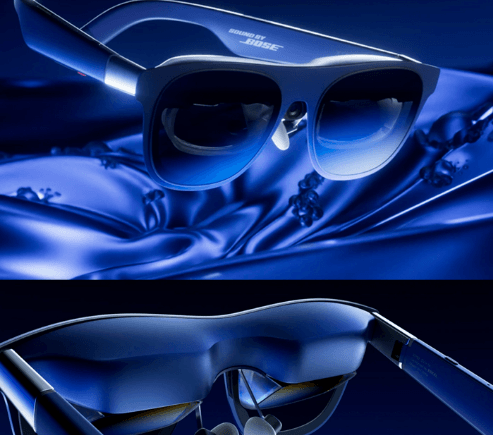
Video glasses and virtual reality (VR) headsets solve the problem by giving each eye its own display, so neither image has to be split. The Verge’s reviewers used Xreal glasses connected to a handheld console, a laptop or a phone over USB-C: in side-by-side 3D mode, each eye sees a full 1080p image. Meta Quest and Steam Frame video apps have similar settings, and Apple’s Vision Pro and Meta’s upcoming VR Glasses can stream 3D films natively.
The results impressed the testers. In Moana, the parting ocean looked like a living body of water rather than a flat wall. Glass and reflective objects gained the most, from the cockpits in Gravity to the lightcycles in Tron: Legacy, and Werner Herzog’s documentary Cave of Forgotten Dreams gained depth because its 32,000-year-old paintings follow the curves of the rock. One warning: films converted to 3D after shooting often show a “billboard” effect, with flat layers instead of real depth.
The catch: finding the films
The main obstacle is supply, not hardware. 4K Blu-ray does not support 3D, so the last 3D discs are limited to 1080p, 24 frames per second and no HDR (high dynamic range, which improves contrast and colour). The Verge’s reviewer had to buy one title on eBay and import another from Thailand, and converting discs at home with free software takes more than an hour per film.
Apple versus Meta
Apple moved first. The Vision Pro launched in 2024 with 3D films in 4K and HDR, spatial audio and the largest 3D catalogue, including much of Disney’s library on Disney+. It costs $3,500.
Meta is now closing the gap. Its VR Glasses, announced on September 23, go on sale in spring 2027 for $1,299.99. Meta says Peacock, HBO Max and Paramount+ are offering their 3D catalogues for the first time, that Disney+ subscribers in select countries can stream films such as The Avengers and Black Panther in 3D from November, and that it is partnering with James Cameron’s Lightstorm Vision on “first time in 3D” releases in 2027. The glasses’ battery pack lasts up to three hours of video, enough for one long film. Sarah Malkin, Meta’s director of entertainment, told The Verge that 3D films will also stream on the $350 Quest 3S and $600 Quest 3, priced in line with regular ultra-HD films.
The VR Glasses were one of several devices Meta showed at Connect, alongside the Muse Charm AI gadget and the camera-free smart glasses it is selling in response to privacy concerns.
Why the business case is different now
In the 3D TV era, manufacturers sold screens and waited for content that never came, because studios had little reason to invest. This time the incentives line up. Headset makers need content to justify expensive devices, and studios can earn new money from 3D versions of films they already own, at little extra cost. Streaming removes the need for special discs. For Meta, films and live sports are a way to sell headsets to people who are not gamers, a market it has struggled to reach.
The risks remain. $1,299 is a lot for a personal movie screen, some deals are limited to certain countries, and wearing a headset is a solitary experience, which limits how families use it. The total VR headset market is still small next to phones and TVs.
Our take
3D’s comeback is more credible than it looks, because the technology problem, splitting one image between two eyes, has genuinely been solved by separate screens. The open question is commercial: whether enough people will pay for headsets to make 3D catalogues worthwhile for studios. Meta’s studio deals are the strongest signal yet, but its glasses are months away. For now, a Quest headset is the cheapest way to see whether 3D is worth it.