

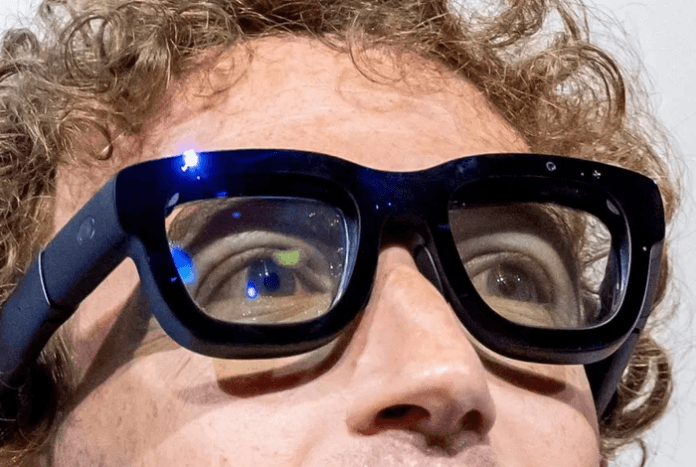

Meta has spent the past year defending its smart glasses against a simple accusation: a tiny camera in an ordinary-looking frame lets wearers film strangers without anyone noticing. The criticism got so loud that critics started calling the camera models “pervert glasses.” It also became legal. In August, a man in Delhi sent Meta a legal notice seeking about Rs 2.05 crore in damages after a creator filmed him in a café on camera-equipped Ray-Ban Meta glasses and posted the video to Instagram.
At Connect on September 23, Meta answered with its first glasses that have no camera at all.
What Meta is actually selling
Ray-Ban Meta Audio is what Meta calls its first-ever audio glasses. They weigh 43 grams, run up to 12 hours on a charge, and get another 48 hours from the included case. They come in two styles, Clubmaster and Burbank, in 23 color and lens combinations, and they work with prescriptions. Prices start at $349, and they ship October 13.
Meta describes the pitch as earbuds and an AI assistant in a Ray-Ban frame. You can play music and podcasts, take calls, and talk to Meta’s assistant hands-free. The company says Muse, its new personal AI agent, is coming to its AI glasses too.
The pricing is odd. The camera-equipped Ray-Ban Meta Gen 3 starts at $449 with nine hours of battery, so the Audio model is $100 cheaper and lasts longer. But Meta’s cheapest pair is now a Meta Glasses Adventurer at $249, on sale October 23, and that one takes photos and video. Removing the camera did not make the glasses cheaper.
Meta says this isn’t about the backlash
Meta says audio has been the most popular feature since day one, and that the project has been in development for two years. Its newsroom post makes no privacy claim for the new model. In general terms, the company says privacy is built into its glasses and that it will keep strengthening protections.
The microphone question
The Audio glasses carry six microphones, and this is where reports diverge. Reuters says the glasses can still record audio, and that unlike the camera models they give bystanders no visible sign when that is happening. Another account says Meta’s wearables chief told The Verge the glasses don’t record. Meta’s announcement doesn’t settle it.
The camera models at least have an LED. Meta has already patched a loophole that let users start recording before covering the light, and says it has disabled accounts that posted content made after tampering with it. The audio glasses remove visual capture and, with it, the only warning light. Venues and workplaces with no-recording rules will likely end up treating microphone-equipped glasses the same as any other recording device.
This isn’t a retreat
Meta isn’t backing away from cameras. It says it will offer more than 100 glasses options across Ray-Ban, Oakley and its own brand by the end of the year. Gen 3 keeps the 12-megapixel camera, 3K video and the LED that Meta says every generation has. It is also taking the glasses to new markets, including Singapore, South Korea, Mexico and the UAE, with Brazil coming soon. Meta shipped more than seven million glasses in 2025, which shows how large the market already is.
So the camera-free model works as a side door. It gives people who dislike the camera a way into the product without changing the main line. The real test is whether those people will pay $349 for what is essentially a pair of open-ear earbuds, and whether a recording light for the microphones becomes the next demand.