

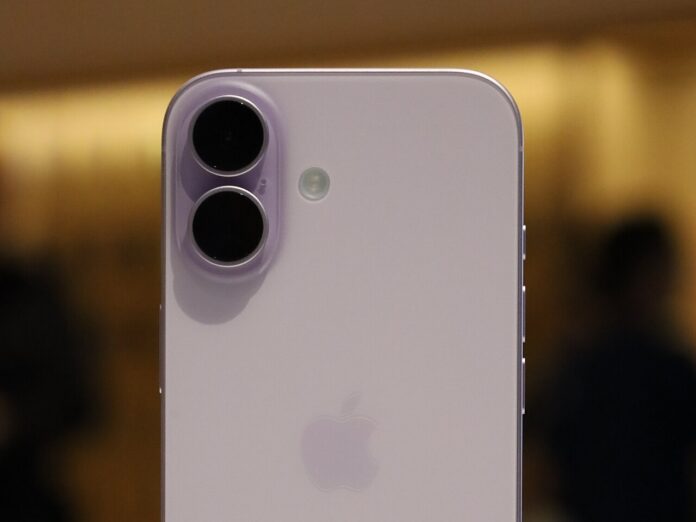

Anyone comparing the Apple iPhone 17 vs Apple iPhone 18 this year faces an unusual problem: the standard iPhone 18 may not arrive until 2027. Multiple reports say Apple will launch only its premium models this autumn and hold the base iPhone 18 until spring, MacRumors reported, which means the iPhone 17 could remain Apple’s standard model for about a year and a half.
That makes the choice simpler than usual. For buyers of the regular iPhone, the real comparison is between a phone that exists today and one that is still a set of reports and rumours.
What the iPhone 17 offers
Apple announced the iPhone 17 in September 2025. According to Apple’s announcement, it was a bigger upgrade than base models usually get:
- Display: a 6.3-inch screen with ProMotion, Apple’s adaptive refresh rate of up to 120Hz, previously reserved for Pro models. It reaches 3,000 nits of peak outdoor brightness and supports an always-on display.
- Storage: 256GB as standard, double the previous generation’s entry storage.
- Chip: the A19, built on third-generation 3-nanometre technology. Apple says its six-core CPU is 1.5 times faster and its five-core GPU more than twice as fast as the A15 chip in the iPhone 13.
- Cameras: a 48MP Fusion main camera with an optical-quality 2x telephoto option, a new 48MP ultra-wide camera, and an 18MP Center Stage front camera that can take landscape selfies while the phone is held vertically.
- Battery: up to 30 hours of video playback, eight hours more than the previous model.
- Durability: Ceramic Shield 2 glass, which Apple says has three times better scratch resistance.
The US starting price at launch was $799. Features such as the 120Hz display narrowed the gap between the standard and Pro models, which is one reason the iPhone 17 has sold well.
Why the iPhone 18 is late
Apple has launched its whole new iPhone line together each September for years. Reports from analyst Ming-Chi Kuo, The Information and others say that will change. The iPhone 18 Pro, iPhone 18 Pro Max and Apple’s first foldable iPhone are expected this autumn, while the standard iPhone 18 would follow in spring 2027, together with a lower-cost iPhone 18e, SlashGear reported.
A supplier comment added weight to the reports. At the annual shareholders’ meeting of Largan Precision, Apple’s main supplier of iPhone camera lenses, chairman Lin En-ping said a major US customer had postponed the launch of a new model to the first quarter of 2027. He did not name the customer, but suppliers rarely say even this much about future products.
Several reasons have been suggested. A split schedule would let Apple spread manufacturing across the year as its line-up grows, give the foldable iPhone its own launch, and keep sales steadier between autumns. It would also reduce competition between Apple’s own models. Apple has not confirmed any of this.
What the iPhone 18 might bring
Because Apple has not announced the standard iPhone 18, details are uncertain. Reports expect a new A20 chip made on a more advanced 2-nanometre process and possibly more memory to support on-device AI features. More memory matters because Apple Intelligence runs many tasks on the phone itself rather than in the cloud, as we explained in our look at how AI will change smartphones. The standard model is not expected to change its 6.3-inch design.
Price is a bigger unknown. Memory chips have become much more expensive because AI data centers are absorbing supply, and phone makers are under pressure to raise prices or cut costs. A model launching in 2027 may cost more than the iPhone 17 did at launch.
Should you wait?
For most buyers, waiting makes little sense. If the reports are right, the standard iPhone 18 is at least six months further away than usual, and its price is uncertain. The iPhone 17 already has the features that matter most to everyday users: a 120Hz display, 256GB of storage, strong cameras and long battery life.
Buyers who want the newest technology this year will need to look at the Pro models, which are expected in the autumn and will cost more. Businesses that buy phones for employees should plan around the iPhone 17 for this year’s purchasing cycle.
Our take
A split launch would be one of the biggest changes to Apple’s iPhone calendar in more than a decade. For customers, it removes the usual pressure to wait for September: the iPhone 17 is the standard iPhone for the foreseeable future, and it is a good one. For Apple, the change is a bet that spreading launches across the year will smooth sales and give its foldable phone room to stand out. The risk is confusion, and buyers who assumed a new standard iPhone was always a few months away.