

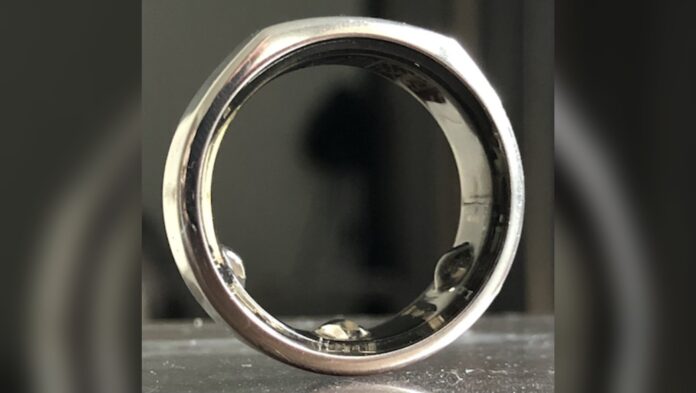

Oura no longer wants to just tell you that you slept badly. It wants a doctor to answer the follow-up question. On November 10 the Finnish smart-ring maker agreed to buy Counsel Health, an AI-powered primary care startup, for $625 million in cash, Bloomberg reported. The Oura Counsel Health deal is the company’s biggest bet yet that a wearable can become a front door to real medical care.
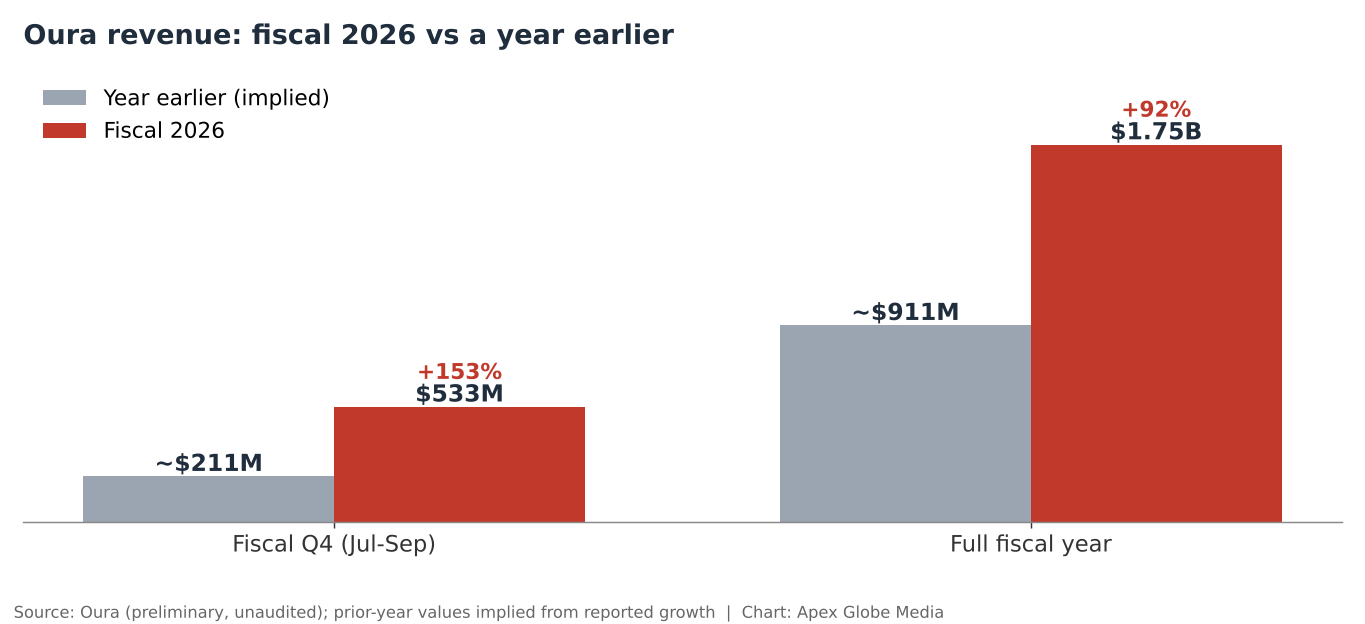
Oura announced the deal together with its strongest numbers so far. Revenue in its fiscal fourth quarter, which ended on September 30, rose 153% from a year earlier to $533 million. For the full fiscal year 2026 the company expects about $1.75 billion in revenue, up 92%. Both figures are preliminary and unaudited, the company said.
What Counsel Health does
Counsel Health was founded by its CEO, Muthu Alagappan, a physician. The company pairs a medical AI chat with its own team of board-certified doctors. A patient starts by talking to the AI. When the conversation needs a human, a doctor joins, and that doctor can diagnose, write prescriptions and refer patients to specialists.
Oura plans to build the service straight into the Oura App. In the company’s vision, a member sees an insight from the ring, for example a rising resting heart rate or several nights of poor sleep, asks the AI about it, and can be talking to a licensed doctor within minutes. “This is about delivering on the promise of a 24-7 doctor in your pocket,” Oura CEO Tom Hale said.
Counsel will keep its existing business of selling to health plans and employers. The deal is expected to close before the end of 2026, and the price is subject to the usual adjustments. Counsel had raised about $36 million before the deal, according to one report, so the price is a big payday for a young company.
Why Oura needs a doctor
Oura has more than 6 million members, executive chairman David Shuman said. Many of them already use the ring to watch their sleep, heart rate and body temperature. What the ring cannot do on its own is tell them what to do next. Oura stresses that the ring is not a medical device, and its numbers are estimates, not diagnoses.
That gap has become a legal problem too. A class action filed in California in August challenges the accuracy of the ring’s sleep-stage estimates. Putting real doctors behind the data does not settle that case, but it changes the product’s promise. Instead of “trust our numbers”, Oura can say “if the numbers look odd, a doctor will look at them with you”.
The move also fits a wider race. Apple has been adding health alerts to its watches, as we described in our look at the Apple Watch Series 12, and Google is pushing similar features in the Pixel Watch 5. None of the big tech companies, however, has its own doctors on call inside the app. If the deal closes, Oura would.
Growth before the IPO
The numbers matter because Oura is a likely stock market candidate. The company postponed its IPO plans in September. A quarter with revenue more than doubling, plus $87 million in adjusted EBITDA, or a 16% margin, gives it a much stronger story when it returns to that question.
Oura is also moving into mainstream retail. The Oura Ring 5 goes on sale in 1,000 Ulta Beauty stores from November 22, which puts the ring next to skincare and cosmetics rather than in an electronics aisle. A doctor service in the app gives those new buyers a reason to keep paying the monthly membership after the first weeks of curiosity.
Our take
This is the most interesting health-tech deal of the year so far, because it turns a gadget company into something close to a clinic. The upside is real: a ring that notices a problem and connects you to a doctor in minutes could catch issues earlier and save people a trip to urgent care.
But it also raises hard questions. AI chat is the first contact, so the quality of that triage matters a lot. Doctors who see a patient’s data through a consumer app will need clear rules about what they can and cannot conclude from a non-medical device. And Oura will hold sleep, heart and now medical consultation data in one place, which makes privacy and security far more important than for a fitness tracker. If Oura gets those things right, other wearable makers will have to follow. If it gets them wrong, regulators will notice quickly.