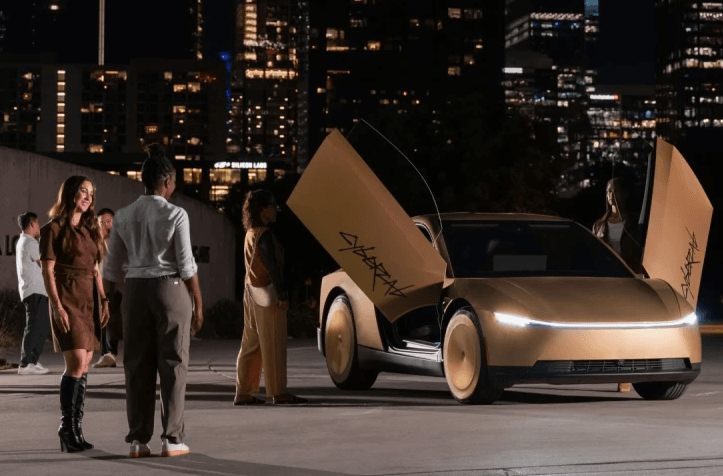
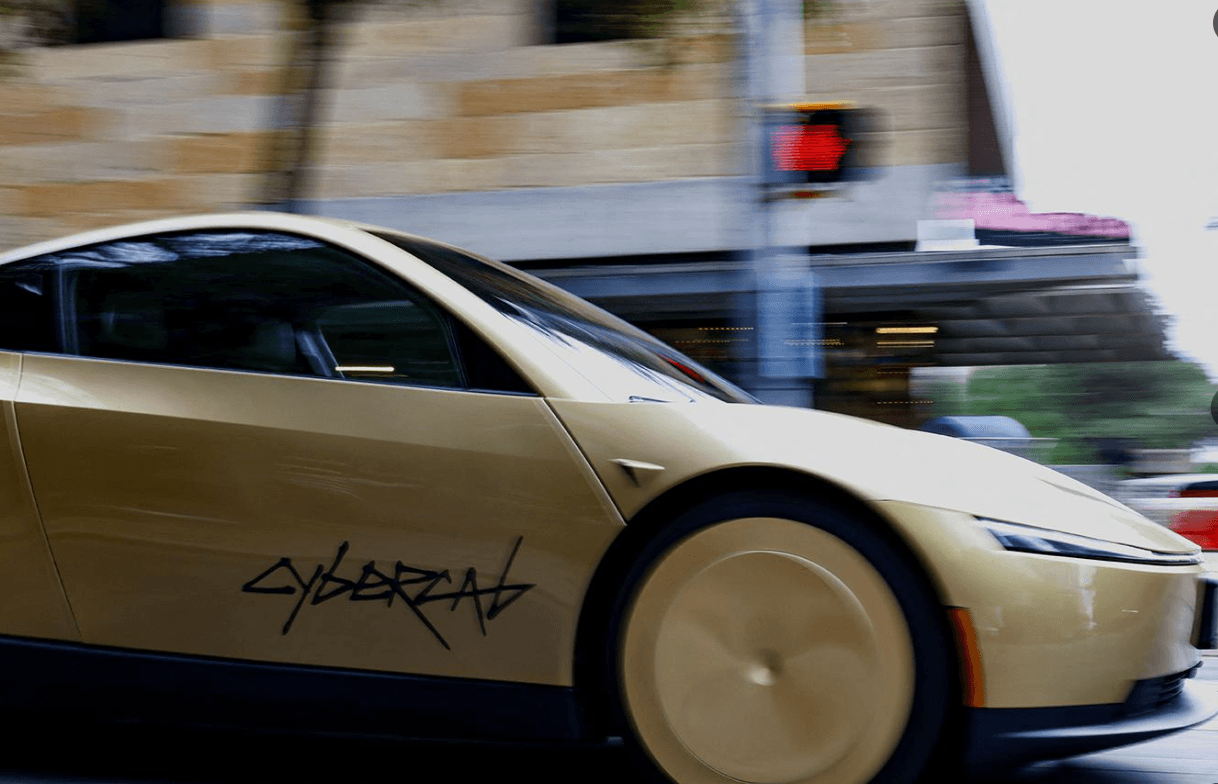

The recent Tesla Cybercab launch in downtown Austin, Texas, marked a major milestone in autonomous transportation as paid rides officially began for the two-seater robotaxi. However, this high-profile Tesla Cybercab launch immediately drew intense scrutiny from federal regulators because the vehicle operates entirely without traditional manual controls, such as a steering wheel, pedals, or mirrors.
Just hours after the debut event, the National Highway Traffic Safety Administration (NHTSA) opened a safety audit into approximately 1,000 Cybercab units to evaluate how the company determined the design complied with federal safety standards. Despite this quick regulatory action, industry experts suggest that regulatory grey areas and Elon Musk’s history of pushing compliance boundaries could allow the company to expand operations while legal debates unfold.
Federal Standards and the Self-Certification Route
Under U.S. federal law, automakers operate within a self-certification framework. This system allows companies to deploy new vehicle models on public roads as long as they certify that their designs meet all applicable Federal Motor Vehicle Safety Standards (FMVSS). Unlike international jurisdictions that require prior regulatory approval, U.S. rules place the initial burden of compliance on the manufacturer.
Because decades-old federal standards were written assuming a human driver with physical controls, experts question whether a vehicle completely lacking manual steering or braking inputs can validly self-certify without an explicit exemption. While NHTSA offers a formal exemption pathway for non-compliant designs, that route caps commercial deployment at 2,500 vehicles per year. Following the Tesla Cybercab launch, observers noted that Tesla chose self-certification to bypass those deployment caps, prompting NHTSA’s inquiry into whether certain standard safety requirements were improperly deemed inapplicable.
Autonomous Software Safety and Legal Risks
Scaling up operations following the Tesla Cybercab launch is central to Tesla’s corporate valuation, which relies heavily on Full Self-Driving (FSD) technology and robotics. Tesla maintains that its fully autonomous software operates safely, emphasizing its ongoing testing without fatal incidents. However, legal and engineering experts caution that public data has not yet conclusively proven that the technology can manage all complex driving scenarios without human intervention.
Precedent shows that self-certifying vehicles without conventional controls carries significant risk. Amazon’s Zoox previously attempted a similar self-certification strategy for its driverless shuttle, which triggered a federal investigation and forced Zoox to withdraw its claim before eventually securing a standard exemption. If NHTSA formally challenges Tesla’s self-certification determinations, the resulting legal battle could lead to extended federal court litigation, during which Tesla may continue running its fleet on public streets.